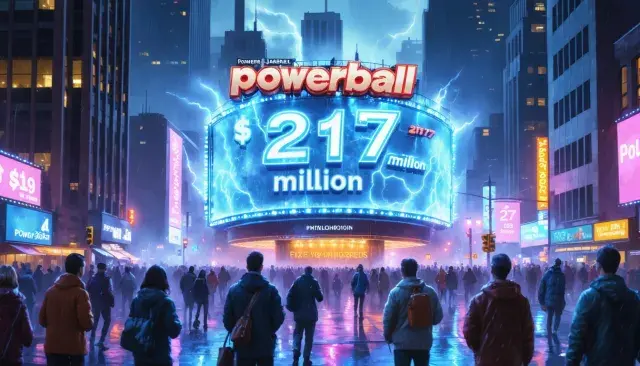

The Powerball jackpot stands at an estimated $217 million for the Saturday, April 4, 2026, drawing, with a cash option of about $97.4 million. This increase follows a rollover after no ticket matched all six numbers in the April 1 drawing, which offered $195 million. Such rollovers draw widespread attention, as growing prizes pull in more players across 45 states, Washington, D.C., Puerto Rico, and the U.S. Virgin Islands.
Prior Drawing Details Prompt Rollover
On April 1, the winning numbers were white balls 4, 10, 11, 52, and 64, with red Powerball 24 and a 3X Power Play multiplier. No jackpot winner emerged, nor did anyone claim the $1 million Match 5 prize or the $2 million Match 5 plus Power Play prize. The absence of top-tier winners sent the full amount forward, boosting the prize and heightening anticipation for the next event.
Eligibility Extends Beyond U.S. Citizens
Anyone meeting the minimum age—typically 18—can buy Powerball tickets at licensed retailers like convenience stores, gas stations, and supermarkets, regardless of citizenship or residency. Tickets cost $2 per play, with an optional $1 Power Play to multiply non-jackpot prizes by 2X to 10X. Players select five white balls from 1 to 69 and one red Powerball from 1 to 26, or opt for Quick Pick computer selection. Matching all six wins the jackpot.
Cash Versus Annuity and Tax Realities
Winners choose between the annuity—$217 million in 30 graduated payments over 29 years, rising 5 percent annually—or the $97.4 million lump sum for immediate access. Federal withholding takes 24 percent upfront, with potential additional taxes by bracket; most states add their own, though California, Florida, and Texas exempt lottery prizes. Non-residents face varying rules. Online purchases depend on state regulations, with some offering official apps or sites.
Drawings Continue Until Claimed
Drawings occur Monday, Wednesday, and Saturday at 10:59 p.m. Eastern Time. Without a jackpot winner on April 4, the prize rolls to Monday, April 6, and escalates further. This cycle sustains public engagement, as each rollover amplifies the stakes and participation.