
The Origins of PIX
Creation by Banco Central do Brasil
Banco Central do Brasil developed PIX to address longstanding issues in the national payment system, such as high costs and delays in transfers. The project began in 2018, drawing on global instant payment models like India's UPI. Regulators aimed for a unified infrastructure accessible to all financial institutions.
Official Launch
PIX went live on November 16, 2020. Banks and fintechs integrated the system within months, enabling transfers between accounts at different institutions. Early participation exceeded expectations, with over 700 institutions connected by launch day.
Rapid Adoption
Within one year, PIX handled 28 billion transactions. Usage surged among individuals and merchants, displacing slower methods like boletos. By 2023, daily volumes reached tens of millions, solidifying its role in everyday finance.
What is PIX in Brazil? Core Mechanics
PIX Meaning and Definition
What is PIX? PIX stands for "Pagamentos Instantâneos," Brazil's 24/7 instant payment platform. What is PIX in Brazil beyond the acronym? It allows funds to move in seconds using simple identifiers, bypassing traditional account numbers. This setup powers direct person-to-person and business payments.
PIX Keys and Identification
Users register "PIX keys"—unique aliases like CPF, phone number, email, or random codes—to receive payments without sharing full bank details. Senders scan QR codes or enter keys in apps. Institutions manage up to five keys per account.
Transaction Types
Standard PIX transfers settle in under 10 seconds. Variants include PIX Automático for recurring payments and offline PIX for low-connectivity areas. All operate across participating banks and digital wallets.
How PIX Transfers Work
Step-by-Step Sending Process
To initiate a PIX transfer, open your banking app, select PIX, enter the recipient's key or scan a QR code, input the amount, and confirm with biometrics or PIN. Funds deduct instantly from your balance. Recipients see credits immediately.
- Verify recipient details before confirming.
- Check daily limits set by your bank.
- Save frequent contacts for speed.
Receiving Payments
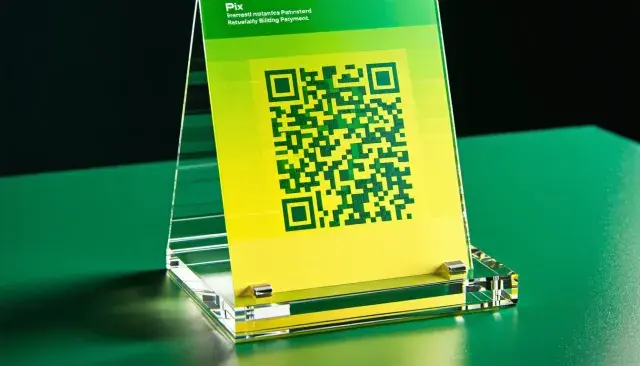
Share your PIX key or dynamic QR code. Payments arrive regardless of operating hours. Merchants generate static QR codes for repeated use.
Fees and Limits
Individuals face no fees for most transfers. Businesses pay low interchange rates. Limits vary by institution, often starting at R$1,000 daily for person-to-person, higher for accounts with history.
Key Benefits of PIX
Speed and Reliability
PIX transfers complete in seconds, available every day. This eliminates weekend delays common in legacy systems.
Cost Efficiency
Free for end-users, PIX cuts merchant fees compared to cards. Small businesses save significantly on transaction costs.
Financial Inclusion
Unbanked populations access services via basic accounts. Rural areas benefit from mobile-only usage.
Economic Impact
PIX boosts commerce by accelerating cash flow. It supports microtransactions, fostering digital economy growth.
Security and Regulation
Built-in Protections
End-to-end encryption secures data. Two-factor authentication prevents unauthorized access. Transactions require explicit confirmation.
Fraud Mitigation
Banco Central mandates real-time monitoring. Institutions block suspicious patterns. Users report issues via dedicated channels for quick refunds in verified cases.
Oversight Framework
PIX operates under strict rules from the central bank. Compliance ensures interoperability and stability across participants.
PIX Compared to Alternatives
Versus TED and DOC
TED and DOC take hours or days, cost more, and operate limited hours. PIX offers instantaneity at no charge.
Against Cards and Wallets
Credit cards involve interest and delays in settlement. Wallets like PicPay integrate PIX but rely on it for backend speed.
Looking Ahead for PIX
New Features
Developers test international remittances and programmable payments. API expansions enable embedded finance.
Expansion Plans
Cross-border pilots target Mercosur countries. Offline capabilities expand to more devices.
Potential Challenges
Scalability demands ongoing infrastructure upgrades. Rising fraud risks require adaptive defenses.
Frequently Asked Questions
Can non-residents use PIX?
Foreigners with Brazilian bank accounts or compatible international apps access PIX. Tourists generate temporary keys via partner services. Full features require local tax ID.
What happens if I enter the wrong PIX key?
Transfers fail with an error message. Funds remain in your account. Double-check keys or use QR codes to avoid mistakes.
Are PIX transfers reversible?
Standard PIX is irrevocable, like cash. Disputes go through your bank for investigation. Fraud cases may qualify for chargebacks within deadlines.
Does PIX work with all banks?
Nearly all major banks and fintechs participate. Check the official directory for smaller institutions. Non-participants route via bridges.
How does PIX affect taxes?
Transactions over certain thresholds trigger reporting. Merchants declare income normally. Individuals monitor large inflows for compliance.
Is PIX available 24/7?
Yes, processing runs continuously, including holidays. Rare maintenance pauses affect all users equally.